Selecting the right color for your asphalt shingles is not just a matter of curb appeal. The choice directly impacts how much heat your roof absorbs, which in turn affects your home’s energy efficiency and comfort, especially during the summer months. In this blog post, you will learn why color matters in our local climate, how shingle choice interacts with other exterior components, and what you should consider before your next roof upgrade.
How Asphalt Shingle Color Impacts Heat Absorption
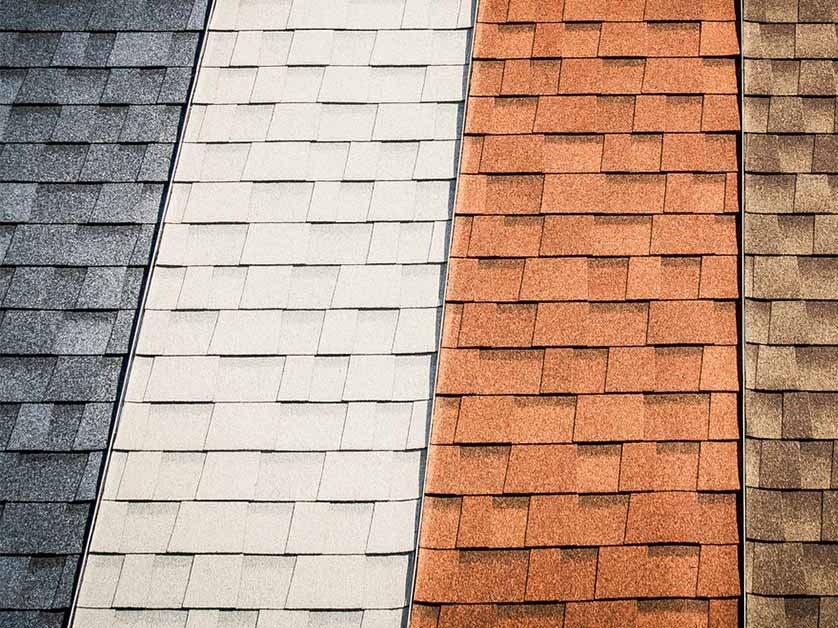
The color of your asphalt shingles plays a major role in determining your roof’s surface temperature. Dark-colored shingles, such as black, brown, or dark gray, absorb more sunlight. This causes your attic and upper floors to become significantly warmer during hot and humid summer weather. On the other hand, lighter hues like tan, light gray, or white reflect more sunlight, helping keep your roof and attic cooler and potentially lowering air conditioning costs.
Homeowners can experience roof surface temperature differences of up to 40°F between dark and light shingles on sunny days. For existing roofs, it is important to consider how much direct sunlight your property receives and how well your attic insulation performs, since both factors contribute to indoor comfort and energy efficiency.
Weather Extremes and Why Color Choice Matters
Northern Illinois experiences wide temperature swings and regular seasonal storms. In winter, dark roofs can provide some benefit by absorbing sunlight and assisting with snowmelt. However, prolonged summer heat can increase attic temperatures, potentially leading to higher cooling costs and accelerated wear on roofing materials.
When evaluating your shingle color options, consider the following:
- Does your home receive shade from mature trees?
- Are you more concerned about summer cooling costs or winter snowmelt?
- Are your gutter covers designed to handle repeated expansion and contraction caused by roof heat?
These factors highlight the importance of choosing a roofing solution tailored to local climate conditions and your home’s overall exterior system.
Impact on Home Energy Efficiency
A cooler roof can reduce strain on your cooling system, lowering energy consumption and helping extend the life of your HVAC equipment. Energy-efficient homes are increasingly desirable, and selecting the right shingle color is a practical way to improve overall performance. Homes with lighter-colored shingles, proper attic insulation, and effective ventilation often experience more stable indoor temperatures and improved summertime comfort. Pairing these features with quality gutter guards can also help protect roof decking and soffits from excess moisture and heat buildup.
Shingle Color and Gutter Protection
Roof heat affects more than indoor comfort. It also impacts exterior systems such as gutters and gutter protection products. Homeowners considering gutter protection services should know that lighter-colored shingles transfer less radiant heat to gutter covers and guards. This can help prolong the lifespan of these components by reducing stress caused by expansion and contraction during temperature changes.
If you have noticed gutter warping, discoloration, or material fatigue around your roofline, your shingle color may be contributing to the issue. Thoughtfully selected gutter covers can complement a heat-conscious roofing system while reducing maintenance needs and preserving curb appeal throughout the year.
Final Thoughts and Local Solutions
Choosing the right asphalt shingle color is about more than appearance. Your selection can influence energy efficiency, indoor comfort, and even the longevity of secondary systems like gutters and gutter protection. If you are planning a roof replacement or considering upgrades to your gutter protection services, it is important to work with professionals who understand the demands of northern Illinois weather. Lask Exterior Solutions, LLC can help evaluate your property’s needs and recommend products designed to perform through every season in Loves Park, IL. Give us a call at (815) 964-2220 or fill out our contact form to get started.